

Brain-Boosting Supplements: Nootropics for Focus and Cognitive Performance
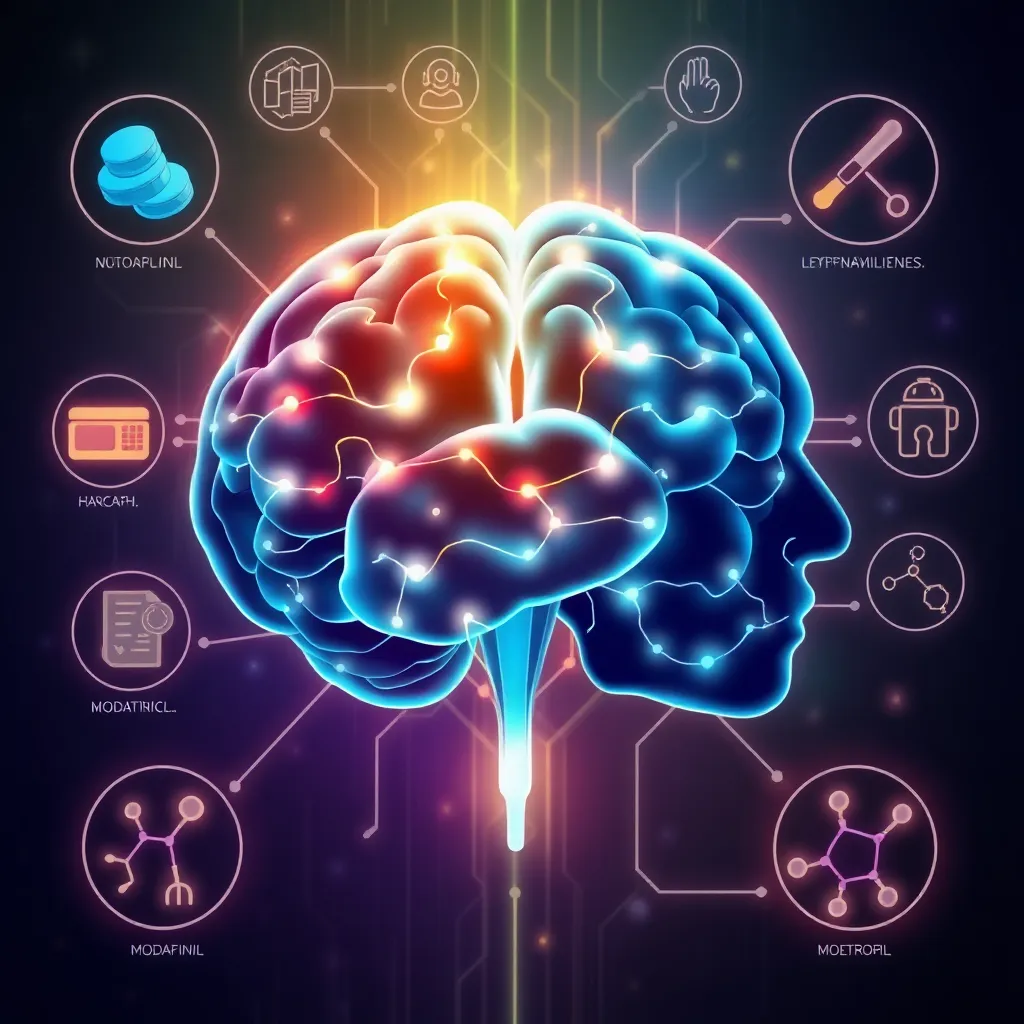
In today's demanding environment, cognitive performance plays a crucial role in both personal and professional success. Nootropics, often referred to as "smart drugs" or brain-boosting supplements, are substances that may enhance mental functions such as memory, creativity, and focus. These compounds can be natural, like certain vitamins and herbal extracts, or synthetic, such as modafinil. While the term was first coined in the 1970s by Romanian psychologist Corneliu Giurgea, interest in nootropics has surged in recent years, particularly among students, professionals, and older adults seeking to maintain mental sharpness. For more information on cognitive health, visit the National Institutes of Health.
Several nootropics have gained scientific attention for their potential cognitive benefits. For instance, caffeine combined with L-theanine—a compound found in green tea—has been shown to improve attention and alertness while promoting a calm focus. Another well-researched supplement is Bacopa monnieri, an herb used in traditional Ayurvedic medicine, which may enhance memory and reduce anxiety over time. Omega-3 fatty acids, particularly DHA, are essential for brain health and are supported by studies linking them to improved cognitive function. The National Center for Biotechnology Information offers a comprehensive review of these and other nootropic substances.
While many nootropics are available over the counter, it's important to approach supplementation with caution. The U.S. Food and Drug Administration (FDA) does not regulate dietary supplements as strictly as pharmaceuticals, so product quality can vary widely. Consumers should look for third-party tested products and consult healthcare providers before starting any new regimen, especially if they have underlying health conditions or are taking other medications. More guidance on supplement safety can be found at the FDA’s official dietary supplements page.
Integrating nootropics into a daily routine should complement—not replace—foundational health practices like quality sleep, regular exercise, and a balanced diet. Cognitive enhancement works best when supported by a holistic lifestyle. For example, staying hydrated and managing stress through mindfulness or meditation can amplify the benefits of nootropic use. Ultimately, while nootropics offer promising avenues for improving brain function, informed and responsible use is key to achieving long-term mental clarity and performance.
What Are Nootropics?
Nootropics, often referred to as "smart drugs," are substances that aim to enhance cognitive performance in healthy individuals. These compounds can support functions like memory retention, focus, creativity, and mental clarity. While some nootropics occur naturally—such as caffeine, L-theanine from green tea, and certain B-vitamins—others are synthetically developed, like modafinil or racetams. The concept was first introduced in the 1970s by Romanian psychologist and chemist Corneliu Giurgea, who defined nootropics as agents that enhance learning and memory without significant side effects. Since then, interest in these cognitive enhancers has grown significantly among students, professionals, and biohackers alike.
Many natural nootropics derive from herbs and plant-based sources long used in traditional medicine. For example, Bacopa monnieri and ginkgo biloba have been studied for their potential to improve memory and cognitive speed. Evidence suggests that these botanicals may influence neurotransmitter systems or increase blood flow to the brain. Reputable sources like the National Center for Biotechnology Information (NCBI) provide research summaries on the efficacy and safety of such compounds. Similarly, essential nutrients like omega-3 fatty acids and vitamin D play crucial roles in brain health and are sometimes categorized under the broader nootropic umbrella due to their cognitive-supportive properties.
Synthetic nootropics, on the other hand, are often more potent and closely regulated. Substances like modafinil, originally developed to treat sleep disorders such as narcolepsy, are sometimes used off-label to promote wakefulness and concentration. While clinical studies published in journals like Pharmacology Biochemistry and Behavior highlight their effectiveness, they also raise concerns about long-term safety and dependency. As a result, many countries regulate access to synthetic nootropics, requiring prescriptions or outright banning their use without medical supervision.
The growing popularity of nootropics has led to a booming market of supplements marketed for brain enhancement. However, not all products are backed by solid scientific evidence, and consumers should approach them with caution. The U.S. Food and Drug Administration (FDA) does not regulate most nootropic supplements as strictly as pharmaceuticals, which means quality and labeling accuracy can vary. For reliable information, individuals are encouraged to consult trusted resources like the FDA’s dietary supplement guide and speak with healthcare providers before starting any new regimen.

Popular Natural Nootropics
Among the most widely used natural nootropics, Bacopa Monnieri stands out for its long history in Ayurvedic medicine, where it has been traditionally used to enhance memory and cognitive function. Modern clinical studies support these uses, indicating that Bacopa may improve information processing speed and reduce anxiety over time. Its active compounds, bacosides, are believed to support synaptic activity and protect neurons from oxidative stress. For more information on its cognitive benefits, research summaries can be found through PubMed, a trusted source for peer-reviewed medical literature.
Rhodiola Rosea, another well-regarded adaptogenic herb, is known for its ability to help the body resist physical and mental stressors. Traditionally used in Eastern Europe and Asia, Rhodiola has gained attention for reducing symptoms of fatigue and improving concentration, especially during periods of prolonged mental exertion. Clinical trials suggest it may enhance mental performance by modulating stress hormones and supporting neurotransmitter balance. More details on its mechanism and efficacy are available via Healthline, which cites reputable scientific sources.
Lion’s Mane Mushroom (Hericium erinaceus) is gaining popularity for its unique potential to support nerve growth factor (NGF) synthesis, which plays a crucial role in brain cell regeneration and maintenance. Used in traditional Chinese medicine, this medicinal mushroom has shown promise in preclinical studies for enhancing cognitive function and offering neuroprotective effects. While human trials are still emerging, early results are encouraging for its role in long-term brain health. Further insights can be explored at WebMD, which provides science-based information on supplements.
The combination of caffeine and L-theanine is one of the most studied nootropic pairings, frequently highlighted for its ability to enhance cognitive performance without the typical side effects of stimulants. Caffeine, a central nervous system stimulant, increases alertness by blocking adenosine receptors, while L-theanine, an amino acid predominantly found in tea leaves, promotes relaxation without drowsiness by increasing alpha brain wave activity. Together, they create a synergistic effect that supports sustained attention and mental clarity. Research has shown that this duo can improve reaction time, focus, and task accuracy more effectively than caffeine alone. A review published in Nutrients outlines these benefits, emphasizing the balanced state of calm alertness users often experience.
What makes the caffeine-L-theanine combination particularly appealing is its mitigation of common caffeine-related drawbacks, such as jitteriness, anxiety, and energy crashes. L-theanine helps smooth out the stimulating effects of caffeine, leading to a more even release of energy and improved mood. This balance is why many people turn to green tea—a natural source of both compounds—as a productivity aid. Studies have demonstrated that taking 100 mg of L-theanine alongside 50–100 mg of caffeine produces optimal results for focus and cognitive performance. For those seeking similar benefits in supplement form, standardized dosing allows for consistency and precision. More information on the safety and efficacy of these supplements can be found through ClinicalTrials.gov, which lists ongoing and completed studies on the subject.
Because this combination supports both mental performance and emotional well-being, it’s become popular among students, professionals, and biohackers alike. Its presence in everyday beverages like tea makes it accessible and well-tolerated by most individuals. Unlike synthetic stimulants, the natural origins and mild action profile of caffeine and L-theanine contribute to their widespread acceptance. Long-term use has not been associated with significant adverse effects when consumed at recommended levels. Those interested in the biochemical mechanisms behind these effects can explore detailed analyses via PubChem, a reliable database maintained by the National Institutes of Health.
Synthetic and Prescription Nootropics
Synthetic nootropics such as modafinil and racetams, including piracetam, have gained attention for their ability to enhance cognitive performance. Modafinil, initially approved by the FDA for treating narcolepsy and other sleep disorders, promotes wakefulness and sustained focus, making it a popular choice among professionals and students aiming to boost productivity. Its mechanism involves modulating neurotransmitters like dopamine and norepinephrine, which contribute to increased alertness and reduced fatigue.
Racetams, on the other hand, are a class of compounds believed to influence acetylcholine receptors in the brain, potentially supporting memory formation and learning capacity. Piracetam, the first compound in this family, has been studied for its neuroprotective properties, though evidence of efficacy in healthy individuals remains mixed. Despite their popularity, access to these substances is often restricted; modafinil is a prescription-only medication in many countries, including the United States.
Using synthetic nootropics without medical guidance can lead to adverse effects such as insomnia, anxiety, or cardiovascular strain. Long-term safety data, especially for off-label use, is limited, underscoring the importance of consulting healthcare providers before use. For more information on cognitive enhancers and their regulatory status, authoritative sources like the National Institutes of Health offer research-based insights.
Safety and Considerations
While nootropics have gained popularity for their potential to enhance focus, memory, and mental clarity, they are not without risks. Unregulated use, especially at high doses or over extended periods, may lead to adverse effects such as increased anxiety, sleep disturbances like insomnia, or even dependency in some individuals. These side effects are more likely when products are sourced from unreliable manufacturers that do not adhere to quality control standards, potentially exposing users to contaminants or inaccurate dosing.
Combining multiple nootropic substances—often referred to as "stacking"—can further complicate safety profiles, as interactions between ingredients are not always well understood. Some compounds may amplify the effects of others, increasing the likelihood of negative reactions. For instance, stimulant-based nootropics can elevate heart rate and blood pressure, posing risks for those with cardiovascular concerns.
It is strongly recommended to consult a qualified healthcare provider before beginning any nootropic regimen. This is particularly important for individuals with pre-existing health conditions such as hypertension, psychiatric disorders, or liver and kidney issues, as certain ingredients may exacerbate these conditions. Additionally, nootropics can interact with prescription medications, including antidepressants and blood thinners, potentially reducing efficacy or increasing toxicity.
For reliable information on supplement safety and interactions, resources like the National Center for Complementary and Integrative Health and the U.S. National Library of Medicine offer evidence-based guidance. Making informed decisions backed by professional medical advice helps ensure that cognitive enhancement efforts do not come at the cost of long-term health.
Quality sleep, regular physical activity, and a balanced, nutrient-dense diet are essential components of long-term brain health. During deep sleep, the brain clears out metabolic waste through the glymphatic system, supporting memory consolidation and cognitive function—processes that are impaired when sleep is disrupted or insufficient. According to the National Institute of Neurological Disorders and Stroke, chronic sleep deprivation is linked to an increased risk of neurodegenerative conditions such as Alzheimer’s disease.
Exercise also plays a critical role in maintaining cognitive vitality by promoting blood flow to the brain and stimulating the release of neurotrophic factors like BDNF (brain-derived neurotrophic factor), which supports neuron growth and synaptic plasticity. The Centers for Disease Control and Prevention recommends at least 150 minutes of moderate-intensity aerobic activity per week to support both physical and mental health.
Nutrition further complements these efforts, with diets rich in antioxidants, omega-3 fatty acids, whole grains, and leafy greens associated with slower cognitive decline. The Mediterranean diet, in particular, has been extensively studied for its neuroprotective benefits and is highlighted by research from Harvard Health Publishing as one of the most effective dietary patterns for brain longevity.
While supplements may offer targeted support in certain cases, they cannot compensate for poor lifestyle habits. Prioritizing sleep hygiene, staying physically active, and eating a variety of whole, unprocessed foods form the cornerstone of cognitive wellness—foundations that no pill can fully replicate.
Conclusion: Enhancing Your Mind Responsibly
Nootropics, often referred to as "smart drugs," are substances that can support cognitive functions such as memory, creativity, and focus. They come in various forms, including natural compounds like Bacopa monnieri and L-theanine, as well as synthetic options like modafinil and racetams. While many people turn to nootropics for a mental edge, it's essential to approach their use with care and awareness. Research from institutions like the National Institutes of Health highlights both the potential benefits and risks associated with long-term use.
Responsible use involves understanding dosage, possible side effects, and interactions with other medications or supplements. For example, while caffeine combined with L-theanine is widely studied for improving attention and reducing anxiety, other compounds may lack extensive human trials. Consulting peer-reviewed studies through resources like PubMed can help individuals make informed decisions based on scientific evidence rather than anecdotal reports.
Moreover, nootropic supplements should not be viewed as standalone solutions. Their effectiveness is significantly enhanced when paired with foundational health practices—adequate sleep, regular physical activity, and a balanced diet rich in omega-3 fatty acids and antioxidants. The brain performs best when supported holistically, and supplements are most effective within this context.
Ultimately, unlocking your brain’s full potential isn’t about finding a magic pill—it’s about combining smart supplementation with sustainable lifestyle choices. By prioritizing safety, education, and overall well-being, individuals can use nootropics as one tool among many in the pursuit of peak cognitive performance. Reputable sources like the Harvard Health Blog offer guidance on brain health that complements responsible nootropic use