

Medicinal Mushrooms: The Emerging Superstars in Immune Support
Medicinal mushrooms such as reishi, shiitake, and maitake have been integral to traditional Chinese and Japanese medicine for thousands of years, valued for their ability to enhance vitality and support overall well-being. These fungi contain bioactive compounds like beta-glucans, polysaccharides, and triterpenes, which research suggests play a key role in modulating immune function. For instance, the polysaccharide lentinan found in shiitake mushrooms has been studied for its potential to stimulate immune cells and support healthy inflammatory responses. The enduring use of these mushrooms across generations highlights a deep-rooted trust in their healing properties.
Modern scientific inquiry is now providing evidence to back these traditional claims. Studies have shown that certain mushroom extracts can enhance the activity of natural killer (NK) cells and other components of the immune system, potentially improving the body’s defense against pathogens and abnormal cell growth. Reishi mushroom (*Ganoderma lucidum*), often called the "mushroom of immortality," has been the subject of numerous clinical investigations due to its adaptogenic and immunomodulatory effects. Research published in journals like those from the National Center for Biotechnology Information continues to explore how these natural compounds interact with human physiology.
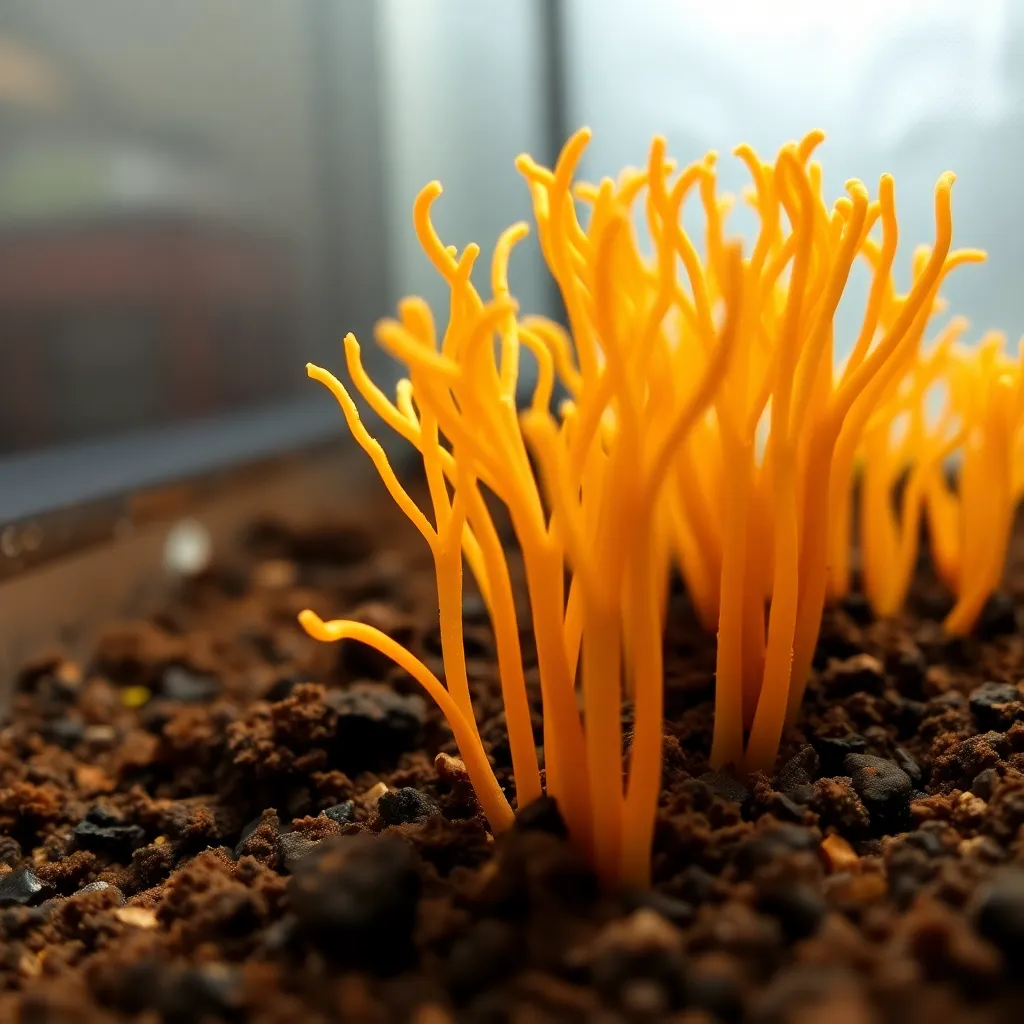
Among the most promising is cordyceps, a fungus traditionally harvested from the high plateaus of Tibet and Nepal. Cordyceps sinensis and its cultivated counterpart, Cordyceps militaris, have gained attention for their potential to boost energy, endurance, and respiratory function. Clinical trials suggest cordyceps supplementation may increase ATP production, thereby enhancing physical performance. These findings have made cordyceps a popular ingredient in functional foods and natural energy supplements. More information on ongoing research can be found through reputable sources like the WebMD or the Healthline databases.
As interest in natural health solutions grows, medicinal mushrooms are gaining recognition beyond niche wellness circles. Products ranging from tinctures to powdered extracts are now widely available, making it easier for individuals to incorporate these fungi into daily routines. However, quality and sourcing remain critical—consumers should look for third-party tested products to ensure potency and purity. With continued research and responsible use, medicinal mushrooms may offer a powerful bridge between ancient wisdom and modern science in supporting long-term health.
Reishi Mushroom: The Mushroom of Immortality
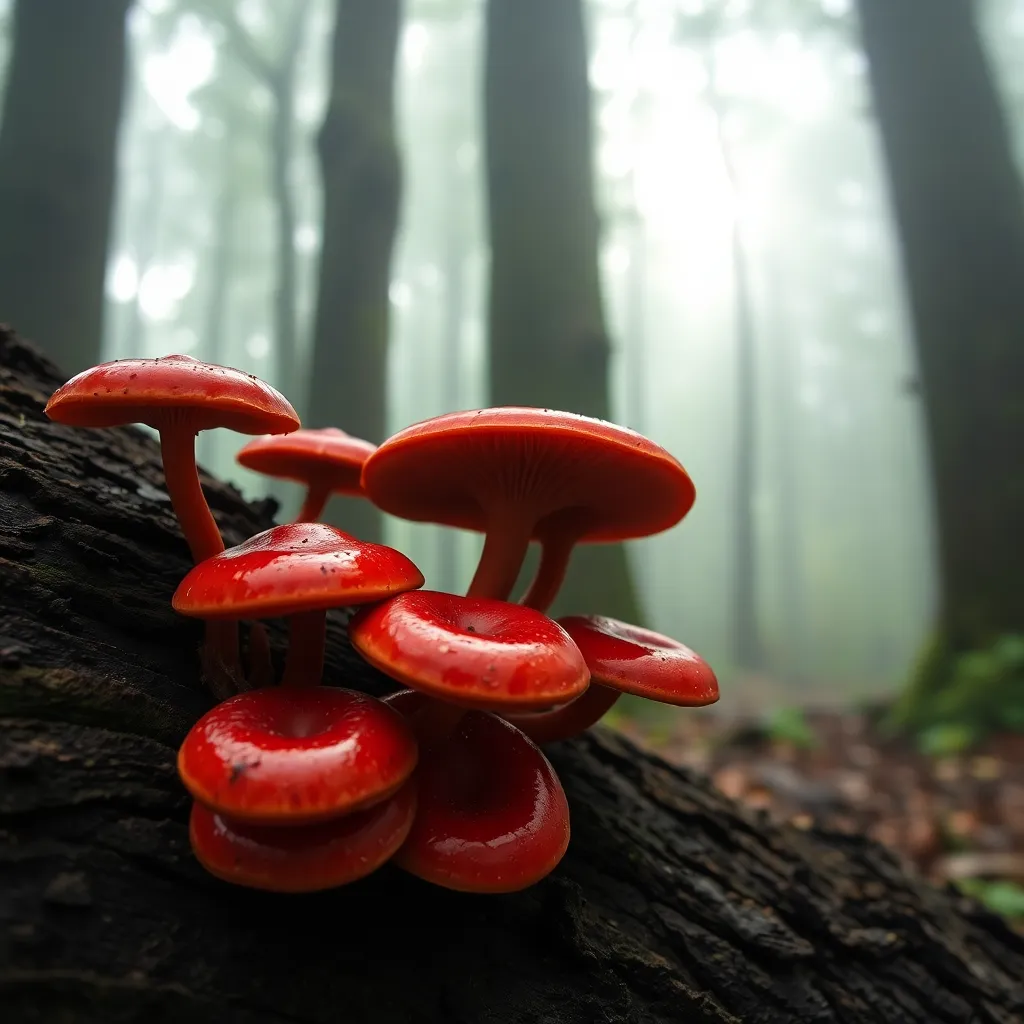
Reishi mushroom, scientifically known as Ganoderma lucidum, has been revered for centuries in traditional Chinese medicine and is often referred to as the "Mushroom of Immortality" due to its wide-ranging health benefits. This adaptogenic fungus grows on hardwood trees in humid regions of Asia and has been used historically to promote longevity and overall well-being. Its reputation stems from a rich composition of bioactive compounds, particularly polysaccharides and triterpenes, which are believed to contribute significantly to its therapeutic properties. These components work synergistically to support homeostasis within the body, especially in regulating immune function.
The immune-modulating effects of Reishi are primarily attributed to its high concentration of beta-glucans, a type of polysaccharide that stimulates the activity of macrophages, natural killer cells, and other components of the immune system. Clinical studies suggest these compounds can enhance the body’s defense mechanisms while also tempering excessive immune responses, making Reishi beneficial for both immune support and inflammatory balance. For more information on the immunomodulatory effects of medicinal mushrooms, visit National Center for Biotechnology Information (NCBI).
In addition to immune regulation, Reishi is recognized for its adaptogenic qualities, helping the body manage physical and mental stress. Triterpenes found in Reishi, such as ganoderic acids, have demonstrated anti-inflammatory and liver-protective effects in preclinical models. These properties make it a valuable supplement for individuals seeking natural ways to reduce chronic inflammation and support resilience against daily stressors. Research continues to explore its full potential, with promising results in areas like fatigue reduction and sleep quality improvement.
Due to its bitter taste, Reishi is commonly consumed in the form of extracts, tinctures, or powdered supplements rather than whole. Long-term use is generally considered safe and is often recommended for cumulative benefits. As with any supplement, it's advisable to consult a healthcare provider before beginning regular use, especially for those on medication or with underlying health conditions. For authoritative guidance on herbal supplements, refer to the National Center for Complementary and Integrative Health (NCCIH).
Shiitake: Culinary Delight with Immune Benefits
Shiitake mushrooms, scientifically known as Lentinula edodes, are prized not only for their deep, savory flavor but also for their significant health benefits. One of the key bioactive compounds in Shiitake is lentinan, a type of beta-glucan that has been extensively studied for its ability to enhance immune function. Research indicates that lentinan can stimulate the activity of white blood cells, including macrophages and natural killer cells, which play crucial roles in defending the body against infections and abnormal cells. This immunomodulatory effect makes Shiitake a valuable addition to a diet aimed at supporting overall wellness.
Beyond immune support, regular consumption of Shiitake mushrooms may positively influence cardiovascular health. These mushrooms contain compounds that may help maintain healthy cholesterol levels, such as eritadenine, which has been associated with reducing serum cholesterol in some studies. Additionally, the fiber and antioxidants present in Shiitake contribute to vascular health by reducing oxidative stress and supporting proper blood flow. For more information on the cardiovascular benefits of dietary mushrooms, authoritative sources like the National Center for Biotechnology Information (NCBI) provide comprehensive reviews.
Shiitake mushrooms also promote gut health due to their prebiotic properties. The polysaccharides found in Shiitake serve as food for beneficial gut bacteria, fostering a balanced microbiome. A healthy gut microbiota is linked to improved digestion, enhanced nutrient absorption, and even better immune regulation. Including whole, cooked Shiitake mushrooms in meals—rather than relying solely on supplements—ensures you receive a full spectrum of nutrients and fibers. For further insights into the role of mushrooms in digestive health, resources from Harvard Health Publishing offer evidence-based guidance.
Turkey Tail: A Champion in Immune Modulation
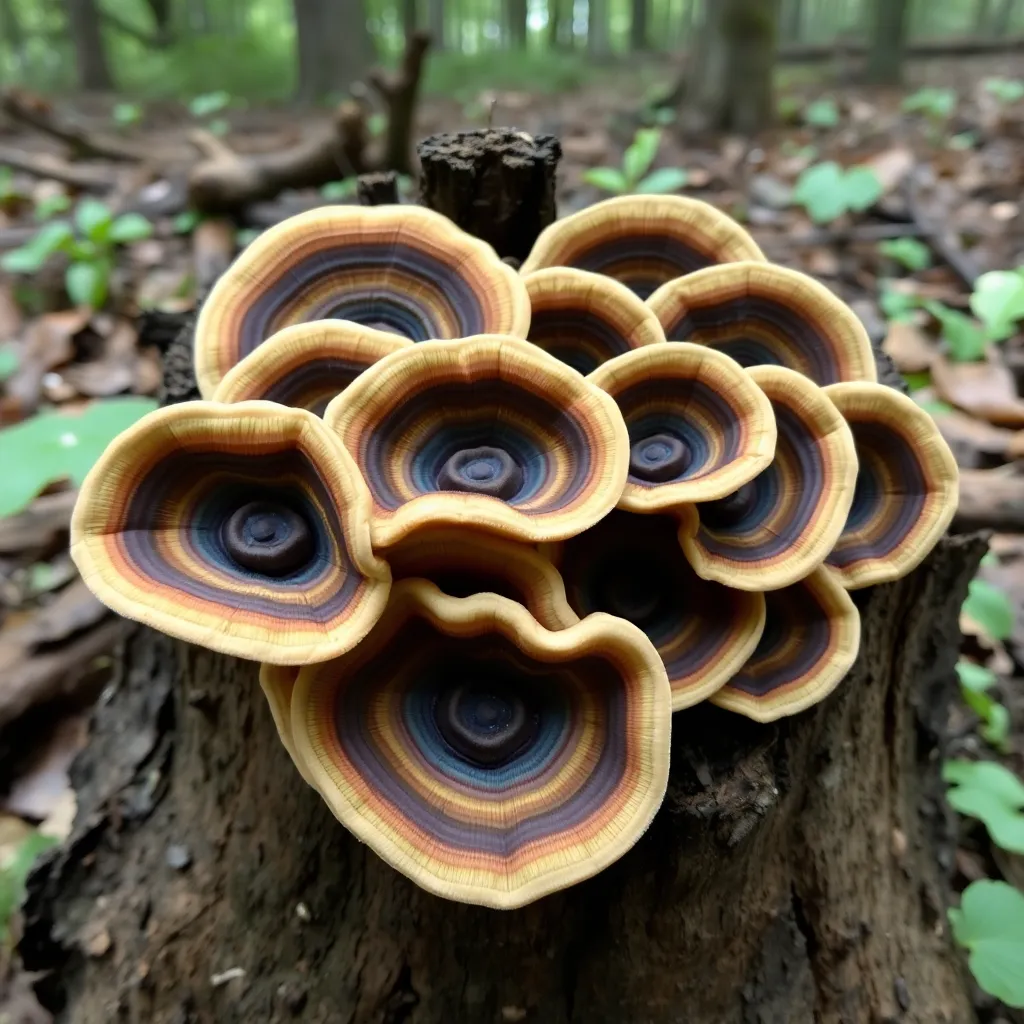
Turkey Tail mushroom, scientifically known as Trametes versicolor, has emerged as a promising natural adjunct in cancer care due to its immunomodulating properties. Rich in bioactive polysaccharides, particularly polysaccharide-K (PSK) and polysaccharide-peptide (PSP), this mushroom supports the body’s immune defenses by stimulating white blood cells and enhancing cytokine production. These mechanisms are especially valuable for patients undergoing chemotherapy or radiation, where immune suppression is a common side effect. Clinical studies, particularly in Japan and China, have demonstrated that PSK can improve survival rates in patients with gastric, colorectal, and breast cancers when used alongside conventional treatments. More information on the clinical use of PSK can be found through resources like the National Cancer Institute.
One of the most well-researched applications of Turkey Tail is its role in boosting the efficacy of standard oncology protocols without interfering with their mechanisms. PSK, approved as a cancer adjuvant therapy in Japan since the 1970s, has been integrated into routine care for certain gastrointestinal cancers. Research suggests it may help reduce tumor recurrence and extend disease-free survival periods. Similarly, PSP has shown potential in improving quality of life and immune markers in patients with various malignancies. These compounds work primarily by activating dendritic cells, natural killer (NK) cells, and T-cells—key players in the body’s surveillance against cancer. For further scientific insights, peer-reviewed studies are available via PubMed.
Turkey Tail is commonly consumed in the form of hot water extracts, which effectively release its polysaccharides, making tea preparations and standardized supplements popular choices. While generally considered safe, individuals undergoing cancer treatment should consult their healthcare provider before using it to avoid potential interactions. The U.S. Food and Drug Administration has allowed investigational studies on Turkey Tail, including trials at institutions like the Mayo Clinic, highlighting growing interest in its integrative potential. As research continues, Turkey Tail remains one of the most credible medicinal mushrooms in oncology support.
Cordyceps: Energy and Endurance Booster
Cordyceps sinensis, a rare parasitic fungus native to the high altitudes of the Himalayas, has been used for centuries in traditional Chinese medicine to boost energy, enhance stamina, and support respiratory health. It develops by infecting caterpillar larvae, eventually replacing the host tissue with fungal growth. Historically, its scarcity and labor-intensive harvesting made it a highly prized and expensive remedy, often reserved for royalty and elite athletes seeking natural performance enhancement.
Thanks to advances in biotechnology, Cordyceps is now more sustainably produced through lab cultivation of its close relative, Cordyceps militaris. This strain can be grown on nutrient substrates without relying on insect hosts, significantly reducing costs and environmental impact. According to research published by the National Institutes of Health, cultivated Cordyceps retains key bioactive compounds like cordycepin and polysaccharides, which are linked to immune modulation and increased cellular energy production.
Modern studies suggest that Cordyceps supplementation may improve oxygen utilization, making it popular among endurance athletes and those seeking enhanced aerobic capacity. Clinical trials have shown improvements in VO2 max and exercise performance with regular intake. For more information on its physiological effects, authoritative sources such as Healthline provide evidence-based summaries on Cordyceps and athletic performance.
Beyond physical performance, Cordyceps supports overall immune function by stimulating macrophage and natural killer cell activity. Its adaptogenic properties help the body resist stressors, both physical and environmental. As interest grows, ongoing research continues to validate traditional claims while expanding our understanding of how this unique fungus contributes to human health.
Conclusion: Harnessing Nature's Immune Allies
Medicinal mushrooms such as Reishi, Cordyceps, and Turkey Tail have been used for centuries in traditional medicine systems, particularly in Asia, where they are revered for their health-promoting properties. Modern scientific research is now validating many of these ancient uses, revealing that bioactive compounds like beta-glucans, polysaccharides, and triterpenes play key roles in modulating the immune system and reducing inflammation. Studies suggest that regular consumption of these fungi may help the body resist infections and maintain cellular health, making them valuable additions to preventive wellness strategies. For more information on the immunomodulatory effects of medicinal mushrooms, visit National Center for Biotechnology Information.
Reishi mushroom (Ganoderma lucidum) is particularly noted for its adaptogenic qualities, helping the body manage stress and support balanced immune function. Meanwhile, Cordyceps species have gained attention for enhancing energy and endurance, with research indicating potential benefits for aerobic performance and mitochondrial efficiency. These natural supplements are increasingly available in tinctures, capsules, and powdered extracts, making them accessible to a broader audience seeking holistic health solutions. For an overview of Cordyceps and its physiological impacts, refer to findings published by Healthline, a trusted source on evidence-based health topics.
Despite their promising benefits, it’s important to approach medicinal mushrooms with caution, especially for individuals managing chronic illnesses or taking prescription medications. Some mushrooms can interact with blood thinners, immunosuppressants, or diabetes drugs, altering their effectiveness. Therefore, consulting a qualified healthcare provider before beginning any new supplement regimen is essential to ensure safety and appropriateness based on individual health profiles. The Mayo Clinic offers reliable guidance on supplement use and potential drug interactions.
As interest in natural and integrative health grows, medicinal mushrooms represent a bridge between traditional wisdom and contemporary science. Their ability to support immune resilience, reduce fatigue, and promote homeostasis aligns well with the goals of preventive medicine. With continued research and responsible use, these powerful fungi may become even more integral to maintaining long-term health and vitality in modern lifestyles.