

Top Immune-Boosting Supplements Trending in the US Market
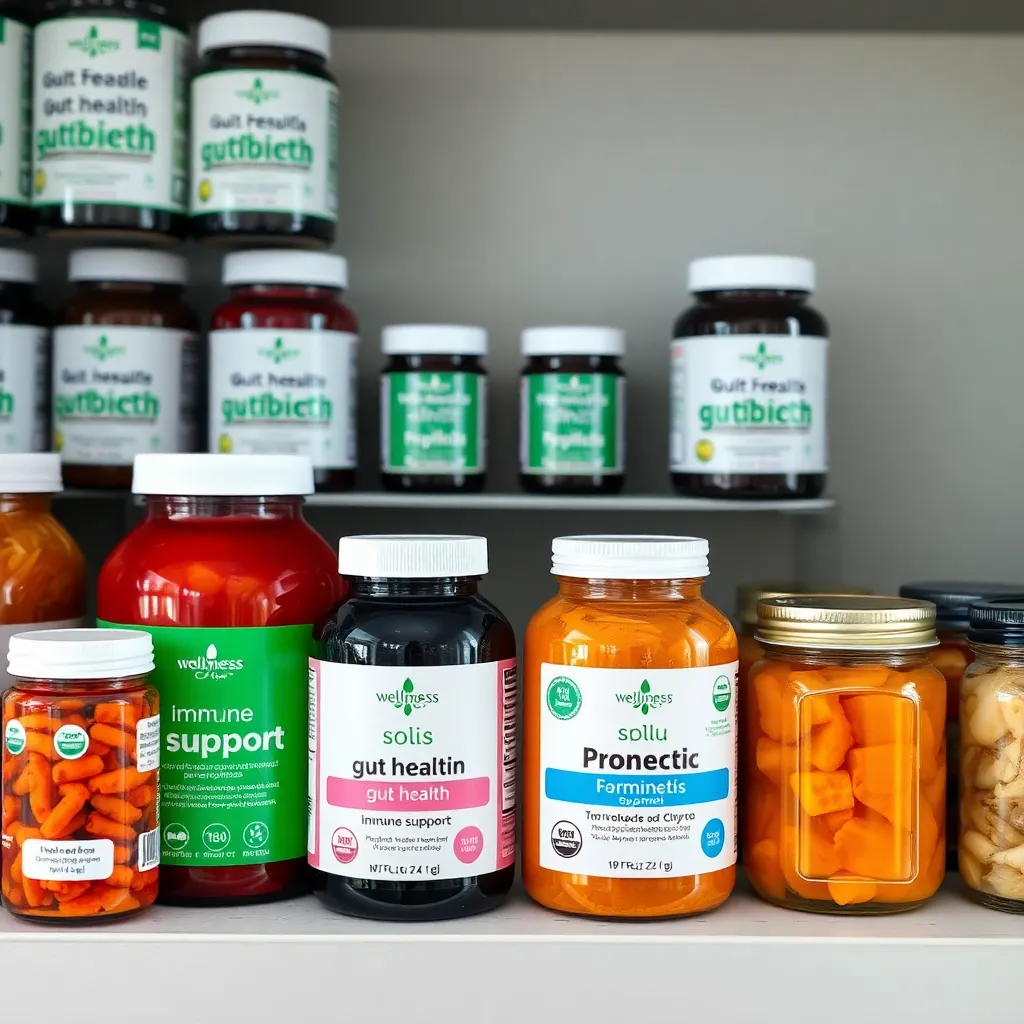
As more Americans prioritize preventive health, immune-boosting supplements have become a staple in daily wellness routines. Vitamins such as vitamin C and vitamin D top the list due to their well-documented roles in supporting immune function. Vitamin C acts as a powerful antioxidant, helping to protect cells from damage, while vitamin D modulates the immune response and may reduce the risk of respiratory infections. These foundational nutrients are widely available in multivitamins and standalone formulations, making them accessible choices for consumers seeking immune support.
Beyond traditional vitamins, herbal supplements like elderberry and echinacea have gained traction for their natural immune-enhancing properties. Elderberry, rich in flavonoids and anthocyanins, has been studied for its potential to shorten the duration of colds and flu. Research published in PubMed Central suggests that elderberry extract may significantly reduce upper respiratory symptoms. Similarly, echinacea is believed to stimulate the immune system, with some clinical trials indicating modest benefits in preventing common colds, though results remain mixed.
Zinc has also emerged as a key player in immune health, particularly for its role in cellular immunity and inflammation regulation. According to the National Institutes of Health, adequate zinc levels are crucial for the development and function of immune cells, and supplementation during the early stages of illness may reduce the severity and duration of symptoms. Due to its importance, zinc is frequently included in lozenges, gummies, and daily capsules marketed for immune defense.
The rising demand for these supplements reflects a broader cultural shift toward proactive health management. Consumers are increasingly relying on evidence-based products, often influenced by healthcare professionals and trusted scientific sources. With continued interest in natural and preventative solutions, the immune supplement market is expected to expand, driven by innovation and a growing awareness of nutritional impacts on long-term wellness.
Vitamin C: The Classic Immune Defender
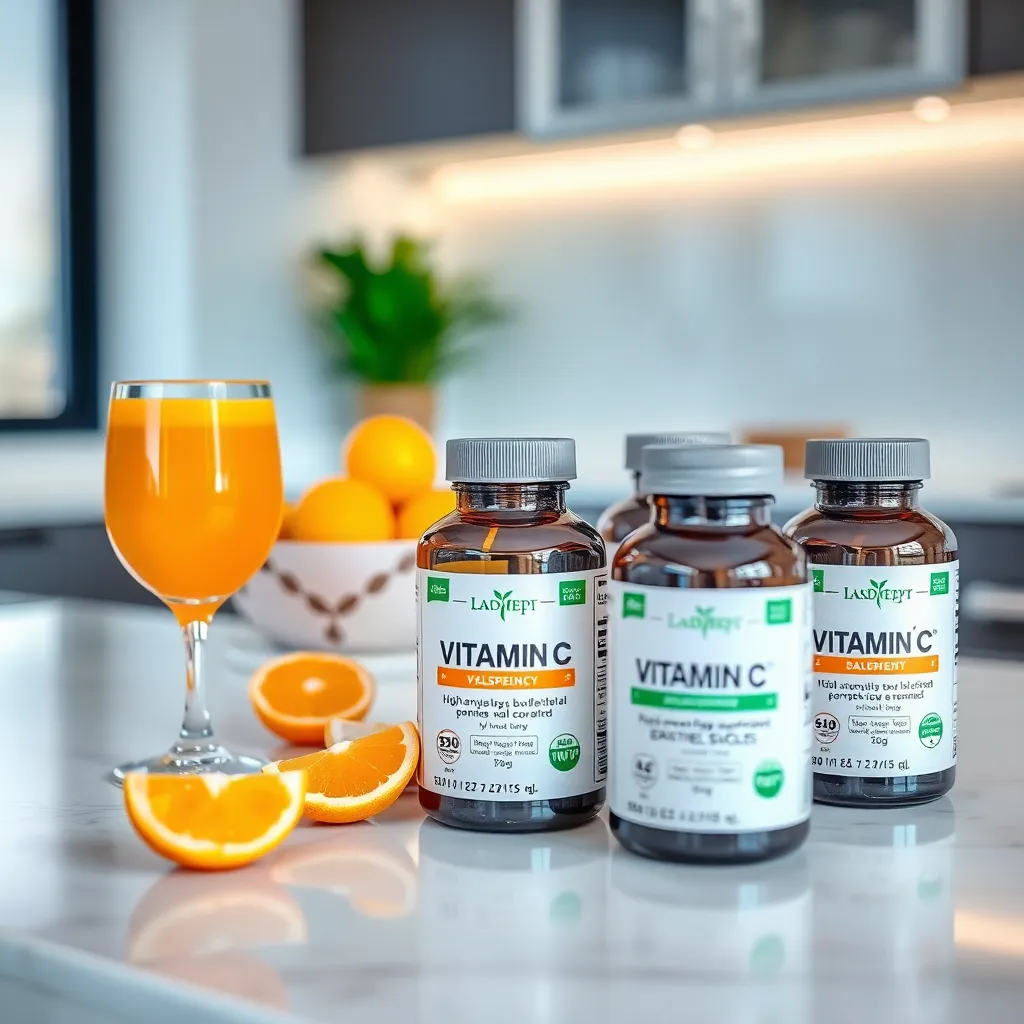
Vitamin C has long been recognized for its critical role in supporting the immune system, making it one of the most widely used dietary supplements in the United States. It aids in the production of white blood cells, particularly lymphocytes and phagocytes, which help protect the body against pathogens. This essential nutrient also enhances the function of these immune cells while protecting them from oxidative stress, reinforcing the body’s first line of defense. According to the National Institutes of Health, consistent intake of Vitamin C can contribute to a reduced duration and severity of common cold symptoms.
As a potent antioxidant, Vitamin C neutralizes free radicals that can damage cells and contribute to chronic diseases. This protective effect extends beyond immunity, influencing skin health, wound healing, and the maintenance of cartilage, bones, and teeth. The body does not produce Vitamin C naturally, nor does it store it efficiently, which underscores the importance of regular dietary or supplemental intake. Foods like citrus fruits, bell peppers, and broccoli are excellent natural sources, but many individuals turn to supplements to meet their daily needs.
The market offers Vitamin C in various forms—including chewables, gummies, capsules, and effervescent drink mixes—catering to diverse preferences and lifestyles. Its widespread availability in pharmacies and health food stores reflects enduring consumer trust and demand. While generally safe, the Mayo Clinic advises adhering to recommended dosages to avoid gastrointestinal discomfort or other mild side effects associated with excessive intake.
Vitamin D3: The Sunshine Supplement
Many Americans experience limited sunlight exposure, particularly during the winter months, leading to widespread deficiencies in Vitamin D3. This essential nutrient, often referred to as the "sunshine vitamin," plays a critical role in maintaining immune health. Studies have shown that sufficient levels of Vitamin D are associated with a lower risk of respiratory infections, including colds and flu. As a result, healthcare providers frequently recommend supplementation, especially in regions with prolonged winters or for individuals who spend most of their time indoors. The National Institutes of Health highlights Vitamin D's importance in modulating immune responses, making it a key player in the body’s defense system.
In addition to its immune-boosting properties, Vitamin D3 is vital for maintaining strong bones by enhancing the absorption of calcium in the gut. Without adequate levels, individuals are at a higher risk for bone disorders such as osteoporosis and rickets. This dual functionality—supporting both skeletal integrity and immune resilience—has solidified Vitamin D3's status as one of the most widely recommended supplements. According to research published in The Lancet Diabetes & Endocrinology, regular supplementation can significantly reduce the incidence of acute respiratory tract infections, especially in people with baseline deficiencies.
Despite its benefits, it's important to approach supplementation with care, as excessive intake can lead to adverse effects such as hypercalcemia. The recommended daily allowance varies by age and health status, but most adults benefit from 600–800 IU per day, with higher doses prescribed for those with documented deficiencies. Testing blood levels of 25-hydroxyvitamin D is the most accurate way to assess status and guide treatment. For more information on safe and effective use, the Mayo Clinic provides evidence-based guidelines on dosage and monitoring.
Zinc: The Cold-Fighting Mineral
Zinc has gained widespread recognition for its potential to reduce the duration of the common cold, particularly when taken promptly after symptoms appear. Research suggests that zinc interferes with the replication of rhinoviruses, the primary culprits behind colds, by inhibiting their ability to attach to and enter nasal mucosal cells. This antiviral mechanism makes early intervention crucial, as delayed intake diminishes its effectiveness. Numerous clinical trials have supported these findings, with a meta-analysis published in The Cochrane Database of Systematic Reviews indicating that zinc supplementation can shorten cold duration by up to 33%.
Beyond symptom reduction, zinc is fundamental to the proper functioning of the immune system. It supports the development and activity of key immune cells such as neutrophils, natural killer cells, and T-lymphocytes, all of which play vital roles in defending the body against infections. Zinc also facilitates intercellular communication within the immune network, ensuring a coordinated response to pathogens. Deficiency in this essential mineral can lead to impaired immunity, increasing susceptibility to respiratory infections and other illnesses.
As cold and flu season approaches, consumers increasingly turn to zinc supplements in various forms, including lozenges, nasal sprays, and capsules. Among the most commonly used are zinc gluconate and zinc picolinate, both known for their bioavailability and efficacy. While lozenges are favored for localized action in the throat, capsules offer systemic absorption. Despite their popularity, users should be cautious with nasal sprays, as some formulations have been linked to loss of smell—a rare but serious side effect noted by the U.S. Food and Drug Administration (FDA).
Elderberry: Nature’s Antiviral
Elderberry syrup and gummies have surged in popularity as natural remedies for supporting immune health, particularly during cold and flu seasons. Derived from the berries of the Sambucus nigra plant, elderberry is rich in antioxidants like anthocyanins and flavonoids, which are known to combat oxidative stress and support the body’s defense mechanisms. Studies suggest that elderberry may help reduce the duration and severity of viral infections by inhibiting viral replication, making it a go-to option for those seeking plant-based wellness solutions. For more on elderberry's antiviral effects, research published by the National Center for Biotechnology Information (NCBI) offers clinical insights.
One reason for elderberry’s widespread appeal is its palatability—especially in syrup and gummy forms—which makes it accessible to both children and adults. Unlike harsh-tasting herbal tinctures or synthetic supplements, elderberry products often include honey, ginger, or other natural flavor enhancers, increasing compliance among families. This family-friendly aspect has made it a staple in many households aiming to reduce reliance on over-the-counter medications. The holistic health community frequently recommends elderberry as part of a proactive immune regimen, especially during peak illness seasons.
While generally considered safe when properly prepared, it's important to note that raw elderberries contain compounds that can be toxic if consumed uncooked. Commercially available products typically use cooked or processed berries to eliminate these risks. As with any supplement, individuals should consult a healthcare provider before starting regular use, particularly if pregnant, nursing, or managing autoimmune conditions. Trusted sources like the Mayo Clinic provide balanced overviews on dosage, safety, and potential interactions.
Probiotics: Gut Health Equals Immune Health
Emerging research continues to highlight the intricate relationship between the gut microbiome and the body’s immune system. Trillions of microorganisms residing in the digestive tract play a pivotal role in modulating immune responses, helping to distinguish between harmful pathogens and benign entities. A balanced gut microbiota supports not only digestive health but also contributes to systemic immunity, influencing everything from inflammation levels to vaccine efficacy. Scientists are increasingly focusing on how specific bacterial strains can be leveraged to maintain this balance and promote overall wellness.
Among the most studied and utilized beneficial bacteria are strains of Lactobacillus and Bifidobacterium, commonly found in probiotic supplements. These microbes have demonstrated the ability to colonize the intestinal lining, outcompete pathogenic bacteria, and support the production of short-chain fatty acids—molecules critical for gut barrier integrity and immune regulation. Clinical studies suggest that regular intake of these probiotics may reduce the incidence and duration of respiratory infections and improve gut motility. For more information on the science behind probiotics, resources like this review on the National Center for Biotechnology Information (NCBI) provide comprehensive insights.
Probiotic supplements are now available in a wide range of formats to suit varying preferences and lifestyles. Capsules offer convenience and targeted delivery, while powders can be easily mixed into smoothies or beverages for those who prefer not to swallow pills. Additionally, functional drinks fortified with live cultures are gaining popularity as a tasty and accessible way to support gut health. As consumer interest grows, so does the importance of selecting products with clinically tested strains and adequate colony-forming units (CFUs) to ensure effectiveness.
While probiotics show promise in supporting immune and digestive health, individual responses can vary based on existing microbiota composition, diet, and overall health status. It's advisable to consult healthcare professionals before starting any new supplement regimen, especially for individuals with compromised immune systems or underlying medical conditions. Reputable sources such as Harvard Health Publishing offer evidence-based guidance on integrating probiotics into a balanced lifestyle.
Conclusion: Making Informed Choices
While immune-supportive supplements like vitamin D, zinc, and elderberry have gained popularity for their potential health benefits, it's crucial to approach them with informed caution. Consulting a healthcare provider before beginning any supplement regimen is especially important for individuals managing chronic conditions or taking prescription medications, as interactions can occur. For example, high doses of zinc may interfere with antibiotics, and vitamin D supplementation can impact calcium levels, particularly in those with kidney issues. Trusted sources such as the National Center for Complementary and Integrative Health provide evidence-based information on supplement safety and efficacy.
A strong immune system isn't built on supplements alone—foundational habits play a far greater role. A balanced diet rich in fruits, vegetables, whole grains, and lean proteins supplies essential nutrients that support immune resilience. Equally important are consistent sleep patterns, regular physical activity, and stress management techniques like mindfulness or meditation. According to the CDC, adults who get 7 or more hours of sleep per night are more likely to report better overall health, including improved immune response.
When used appropriately, supplements can complement these lifestyle efforts rather than replace them. For instance, individuals with documented deficiencies—such as low vitamin D levels due to limited sun exposure—may benefit from targeted supplementation under medical supervision. Research published by the Office of Dietary Supplements highlights that while supplements can fill nutritional gaps, they are most effective when integrated into an already healthy routine.
Ultimately, the goal is to enhance wellness through a holistic approach. Trending supplements may offer supportive benefits, but they should be viewed as one component of a broader strategy. Prioritizing whole foods, preventive care, and professional guidance ensures that immune health is addressed safely and sustainably. As interest in personalized wellness grows, staying informed through credible resources remains key to making smart, health-conscious decisions.